
Uterine Prolapse Treatment in Izmir
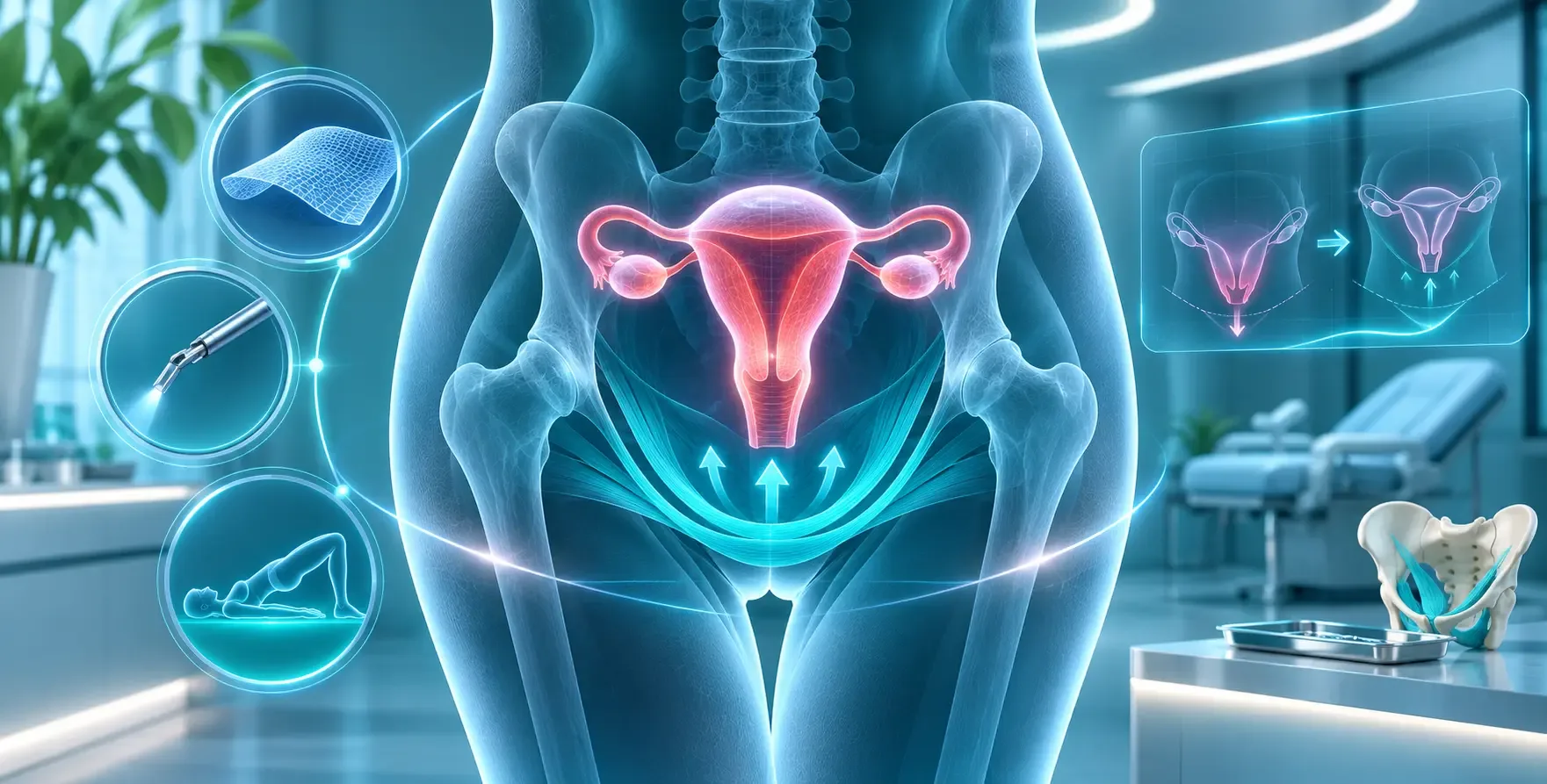
Uterine prolapse occurs when the muscles and ligaments that support the uterus weaken, causing the uterus to descend into the vagina. If you feel downward pressure in your vagina, notice a sensation of something protruding while walking, or experience difficulty when using the toilet, you may have uterine prolapse. These symptoms are more common in women who have had vaginal deliveries and those who have reached menopause.
In some women, uterine prolapse causes only a mild feeling of fullness, while in more advanced cases, the uterus may protrude through the vaginal opening. Uterine prolapse treatment in Izmir is planned according to the severity of the prolapse and the patient's symptoms. Non-surgical treatments may be preferred in mild cases, while surgery may be necessary in more advanced cases.
What Is Uterine Prolapse?
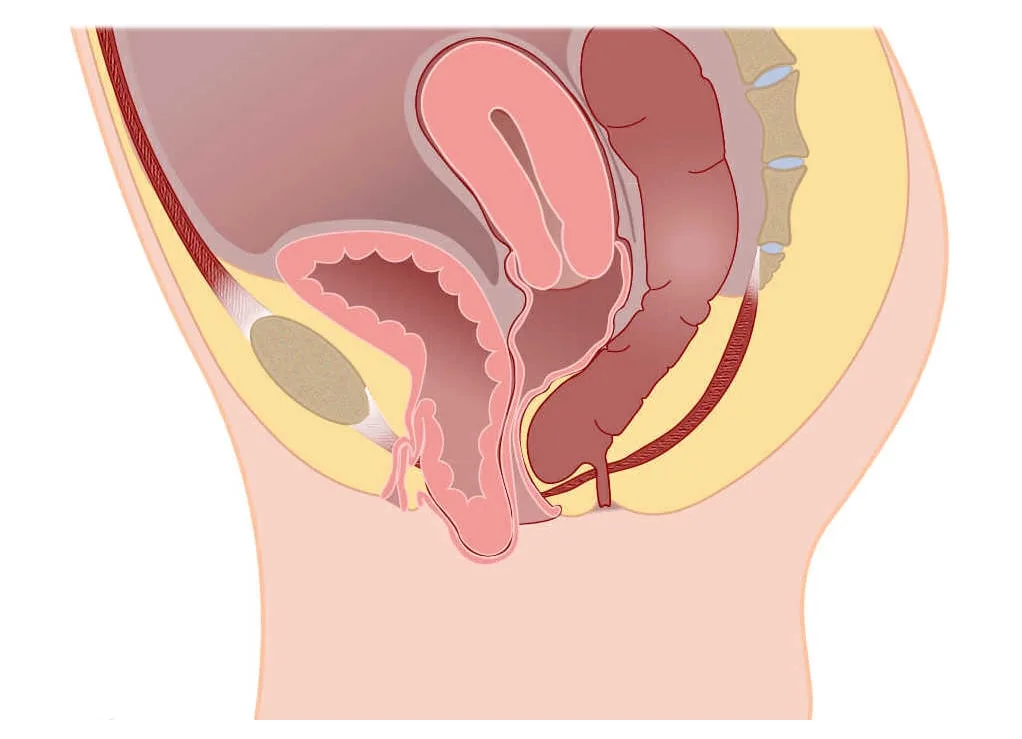
Uterine prolapse occurs when the uterus descends from its normal position into the vagina or, in advanced cases, protrudes outside the vaginal opening. As the muscles and ligaments that hold the uterus in place weaken over time, the uterus loses adequate support.
Uterine prolapse is not cancer. However, as the condition progresses, it may make urination, walking, and daily activities more difficult.
What Are the Symptoms of Uterine Prolapse?
-
Vaginal Bulge: Tissue that can be felt at the vaginal opening or protrudes outside the vagina.
-
Downward Pulling Sensation: A feeling of pressure that becomes more noticeable, particularly when standing.
-
Urinary Problems: Urinary incontinence or difficulty emptying the bladder completely.
-
Pelvic Discomfort: A feeling of heaviness in the lower abdomen and groin.
-
Discomfort During Sexual Intercourse: A feeling of pressure, pain, or fullness.
-
Difficulty With Bowel Movements: Straining during bowel movements or a feeling of incomplete emptying.
These are among the symptoms commonly experienced by women with uterine prolapse.
What Causes Uterine Prolapse in Women?
Uterine prolapse develops when the muscles and ligaments that support the uterus become weakened. Vaginal childbirth, advancing age, menopause, excess weight, and chronic constipation can increase the risk of prolapse. Frequent heavy lifting and chronic coughing may also increase intra-abdominal pressure, potentially worsening an existing prolapse.
How Is Uterine Prolapse Diagnosed?
Uterine prolapse is diagnosed through a gynecological examination performed by an obstetrician and gynecologist.
The doctor examines the tissues inside the vagina to determine how far the uterus has descended. When necessary, the patient may be asked to bear down gently.
Additional tests may be performed if the patient experiences urinary incontinence or difficulty urinating. Ultrasound or magnetic resonance imaging (MRI) is not necessary for every patient.
What Are the Stages of Uterine Prolapse?
The stage of uterine prolapse is determined by how far the uterus has descended in relation to the vaginal opening. In mild cases, the uterus remains inside the vagina. In more advanced cases, the cervix may approach the vaginal opening or protrude outside it.
Although the severity of the prolapse is important, treatment decisions are not based solely on its stage. The extent to which the condition affects the patient's daily life is also taken into consideration.
How Is Uterine Prolapse Treated Without Surgery?
Non-surgical treatment may be used for mild and some moderate cases of uterine prolapse. Pelvic floor exercises, vaginal support devices, and lifestyle modifications may help reduce symptoms.
Losing excess weight and preventing constipation may also help reduce pressure on the tissues that support the uterus.
However, in advanced uterine prolapse, exercises alone are generally not sufficient to restore the uterus to its normal position. Surgery may be necessary depending on the patient's symptoms, general health, and examination findings.
Are Kegel Exercises Helpful for Uterine Prolapse?
Kegel exercises help strengthen the pelvic floor muscles that support the uterus and bladder. Particularly in mild cases of uterine prolapse, these exercises may help reduce vaginal pressure and certain urinary symptoms.
It is important to perform the exercises regularly and engage the correct muscles. When necessary, guidance from a pelvic floor physiotherapist may be beneficial.
What Is Vaginal Pessary Treatment for Uterine Prolapse?
A vaginal pessary is a silicone support device inserted into the vagina to help support the prolapsed uterus.
It is particularly used in women who do not wish to undergo uterine prolapse surgery or who are not suitable candidates for surgery.
A vaginal pessary does not permanently correct the prolapse. It provides support while it is in place and requires regular follow-up examinations.
How Is Uterine Prolapse Surgery Performed?
The aim of uterine prolapse surgery is to restore support to the descended uterus or the upper part of the vagina.
Depending on the patient's condition, surgery may be performed through the vaginal route, using minimally invasive laparoscopic techniques, robotic-assisted surgery, or, in certain cases, open surgery.
The obstetrician and gynecologist recommends an appropriate surgical method based on the patient's overall health and clinical findings. When several surgical options are suitable, the doctor explains their potential benefits, risks, and recovery periods. The final decision is made together with the patient, taking her preferences into account.
In uterus-preserving surgery, the uterus is supported using appropriate anatomical structures or surgical techniques. In some patients, removal of the uterus and restoration of support to the remaining tissues may be necessary.
Removal of the uterus is not mandatory in every uterine prolapse surgery.
Izmir gynecologist Prof. Dr. İsmail Mete İtil creates individualized treatment plans for uterine prolapse by evaluating all relevant medical tests and examination findings together.
Recovery After Uterine Prolapse Surgery
Pain, tenderness, or mild vaginal bleeding may occur during the first few days after surgery.
The time required to return to daily activities varies depending on the type of surgery performed. Activities such as heavy lifting and strenuous exercise may need to be restricted for a certain period.
As with any surgical procedure, uterine prolapse surgery carries potential risks, including bleeding, infection, urinary problems, and recurrence of the prolapse.
Conclusion: Uterine Prolapse Treatment in Izmir
Uterine prolapse may cause symptoms such as vaginal pressure, a downward bulging sensation, urinary incontinence, and difficulty performing everyday activities. Uterine prolapse treatment is determined according to the severity of the prolapse and the symptoms experienced by the patient. Pelvic floor exercises and non-surgical treatment methods may be used in mild cases, while women with advanced uterine prolapse may require surgery.
Izmir Obstetrician and Gynecologist Prof. Dr. İsmail Mete İtil provides individualized treatment planning by carefully evaluating the symptoms and examination findings of women with uterine prolapse. During the treatment process, surgical and non-surgical uterine prolapse treatment options are determined by considering the patient's overall health and the severity of the condition.
This article is for informational purposes only and is not intended for diagnosis or treatment. Please consult a specialist physician for diagnosis and treatment.