
Hysterectomy
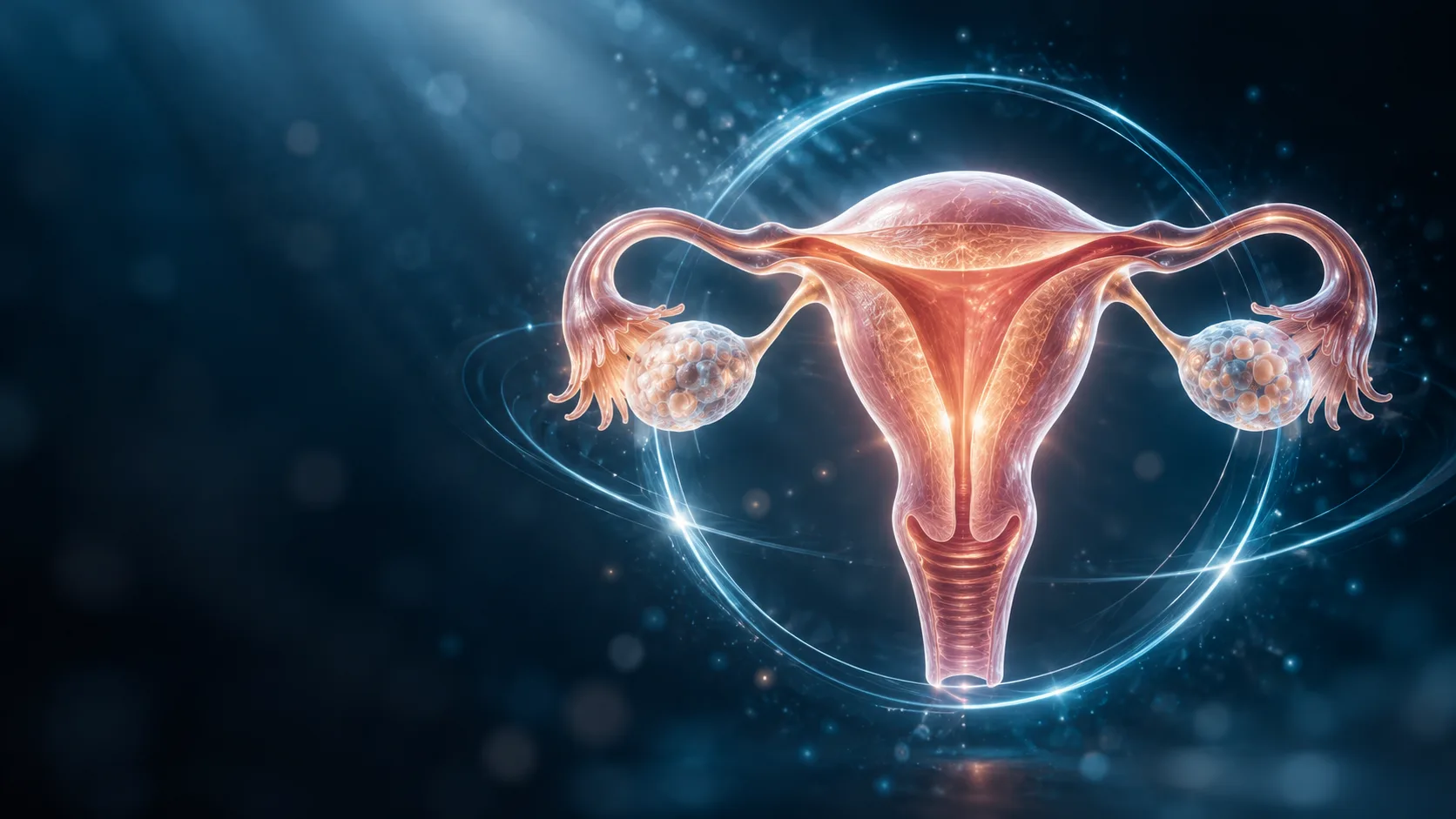
Prolonged bleeding, recurrent pain, or uterine prolapse can significantly affect daily life and freedom of movement. Hysterectomy is a surgical procedure performed to relieve symptoms or treat certain uterine conditions. However, recommending this operation does not necessarily mean that the ovaries will also be removed or that menopause will begin immediately. When making treatment decisions, obstetrician and gynecologist Prof. Dr. İsmail Mete İtil considers the cause of the condition, the patient’s desire to have children, and uterus-preserving alternatives together to develop a personalized treatment plan.
What Is a Hysterectomy?
Uterus removal surgery, medically known as a hysterectomy, is the surgical removal of the uterus. In a total hysterectomy, the uterus and cervix are removed together. In a subtotal hysterectomy, the cervix is preserved.
The removal of the ovaries and fallopian tubes is a separate decision. The extent of the operation is determined according to the diagnosis, age, menopausal status, and individual risks. Pregnancy is no longer possible after the uterus has been removed. Therefore, the patient’s plans and expectations regarding future pregnancy must be discussed before surgery.
When Is a Hysterectomy Performed?
-
Fibroids that cause significant bleeding, pain, or pressure.
-
Heavy uterine bleeding that cannot be controlled with other treatments.
-
Uterine prolapse that affects daily life.
-
Symptoms associated with adenomyosis or endometriosis in suitable patients.
-
Conditions requiring surgery, such as uterine or cervical cancer.
Particularly in cases of endometriosis and chronic pelvic pain, removal of the uterus does not guarantee that all pain will completely disappear. Treatment should be planned according to the underlying source of the symptoms.
How Are Laparoscopic, Open, and Vaginal Hysterectomies Performed?
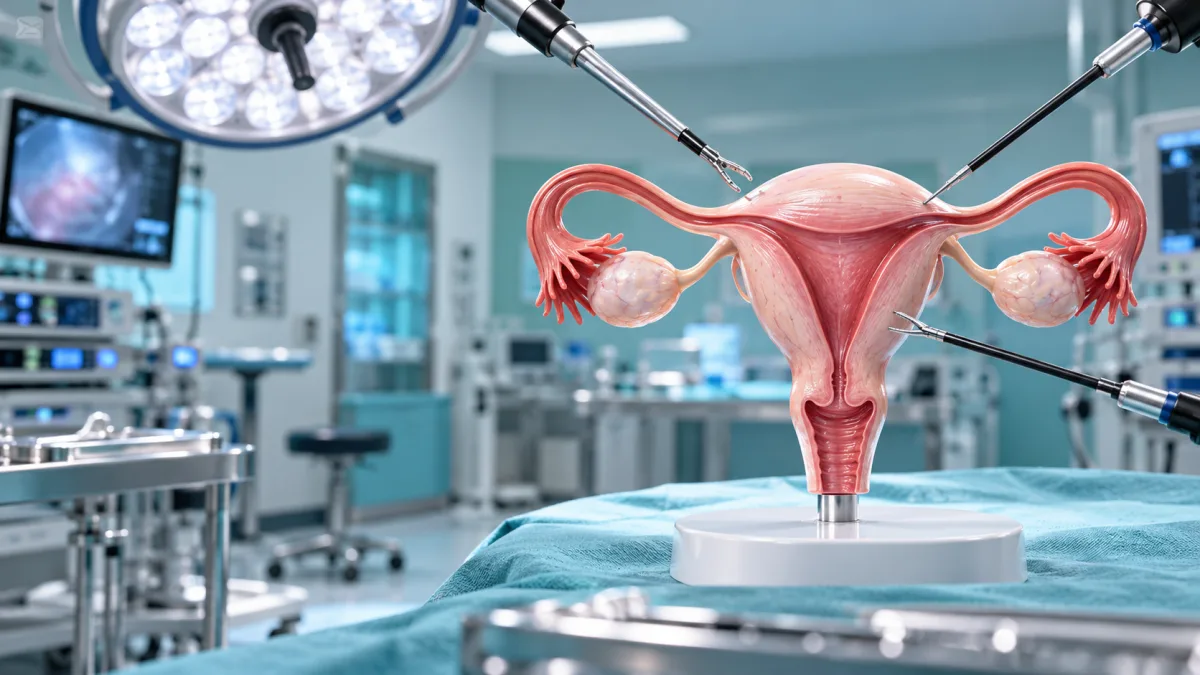
Laparoscopic Hysterectomy: A camera and modern surgical instruments are introduced through small incisions in the abdomen. The uterus is separated from the surrounding tissues and removed through an appropriate route. The laparoscopic procedure is performed under general anesthesia. In suitable patients, a robotic hysterectomy, an advanced and modern minimally invasive surgical technique, may also be performed.
Vaginal Hysterectomy: The uterus is accessed and removed through the vagina without making an abdominal incision. This method may be preferred in patients with suitable anatomy and in certain cases of pelvic organ prolapse.
Open Hysterectomy: A larger incision is made in the abdomen. This approach may be required because of the size of the uterus, the characteristics of the condition, or the extent of the planned procedure.
The choice of surgical method is not based solely on incision size. Previous operations, the size of the uterus, and coexisting medical conditions are evaluated together.
Does a Hysterectomy Cause Menopause?
Having the uterus removed is not the same as entering menopause. If the ovaries are preserved, they may continue producing hormones, and menopause does not begin immediately. However, menopause may occur earlier than expected.
If both ovaries are removed before natural menopause, surgical menopause occurs. Symptoms such as hot flushes, sleep problems, and vaginal dryness may develop. The suitability of hormone therapy is evaluated according to the reason for surgery and the patient’s individual health status.
How Long Does Recovery Take After a Hysterectomy?
Full recovery after open surgery may take approximately six to eight weeks. After minimally invasive surgery, the initial recovery period may take approximately one to two weeks. Recovery time varies according to the surgical method, any additional procedures performed, and the patient’s general health. Recovery is generally faster after laparoscopic or vaginal surgery.
During the recovery period:
-
Begin taking short walks as recommended by your doctor.
-
Wait for medical approval before lifting heavy objects or performing strenuous exercise.
-
Take your medications as prescribed and attend your follow-up appointments.
-
Follow appropriate dietary and fluid-intake recommendations to help prevent constipation.
Conclusion
The primary aim of a hysterectomy is to treat the underlying condition using an appropriate surgical method while protecting the patient’s quality of life. Obstetrician and gynecologist Prof. Dr. İsmail Mete İtil evaluates all examinations and test results together when determining why the uterus should be removed, whether the ovaries can be preserved, and whether alternative treatments are available.
Patients seeking an evaluation for a hysterectomy in İzmir can discuss their symptoms, previous treatments, and expectations with Prof. Dr. İsmail Mete İtil. Clarifying the extent of the procedure, potential risks, and the plan for returning to daily activities before surgery helps patients approach the treatment process better prepared.
This article is intended for informational purposes only and does not constitute medical diagnosis or treatment. Please consult a qualified medical professional for diagnosis and treatment.
Prof. Dr. İsmail Mete İtil | Specialist in Obstetrics and Gynecology